Hand-washing Techniques for New Surgical Technicians
This reusable learning object teaches new healthcare staff when and how to perform proper hand hygiene to prevent infection and support safe patient care.
Welcome to Hand Hygiene Training
This module is designed to enable healthcare staff to demonstrate and perform proper hand hygiene procedures by identifying when handwashing is required and correctly applying each step of the process. Learners will execute handwashing techniques in accordance with infection control guidelines, including maintaining the required duration and sequence of steps. The purpose of this module is to ensure learners can consistently apply correct hand hygiene practices in clinical settings to support patient safety and reduce the risk of infection transmission.
Transcripts are available for all audio sections to support accessibility, Click "Show Transcript" to view.
Your Name
Why Hand Hygiene Matters
All right! why do you think Hand hygiene matters?Hand hygiene is one of the most important practices in healthcare. It helps prevent the spread of infections and protects both patients and healthcare professionals. When done correctly, it significantly reduces the risk of disease transmission. it Prevents Infection, Yes, it Reduces the spread of harmful microorganisms between staff and patients, it also Protects Patients,which means, Supports patient safety during routine care, procedures, and surgery, Likewise it also Protects Staff: Reduces the risk of contamination and workplace exposure.
Prevents Infection
Protects Patients
Protects Staff
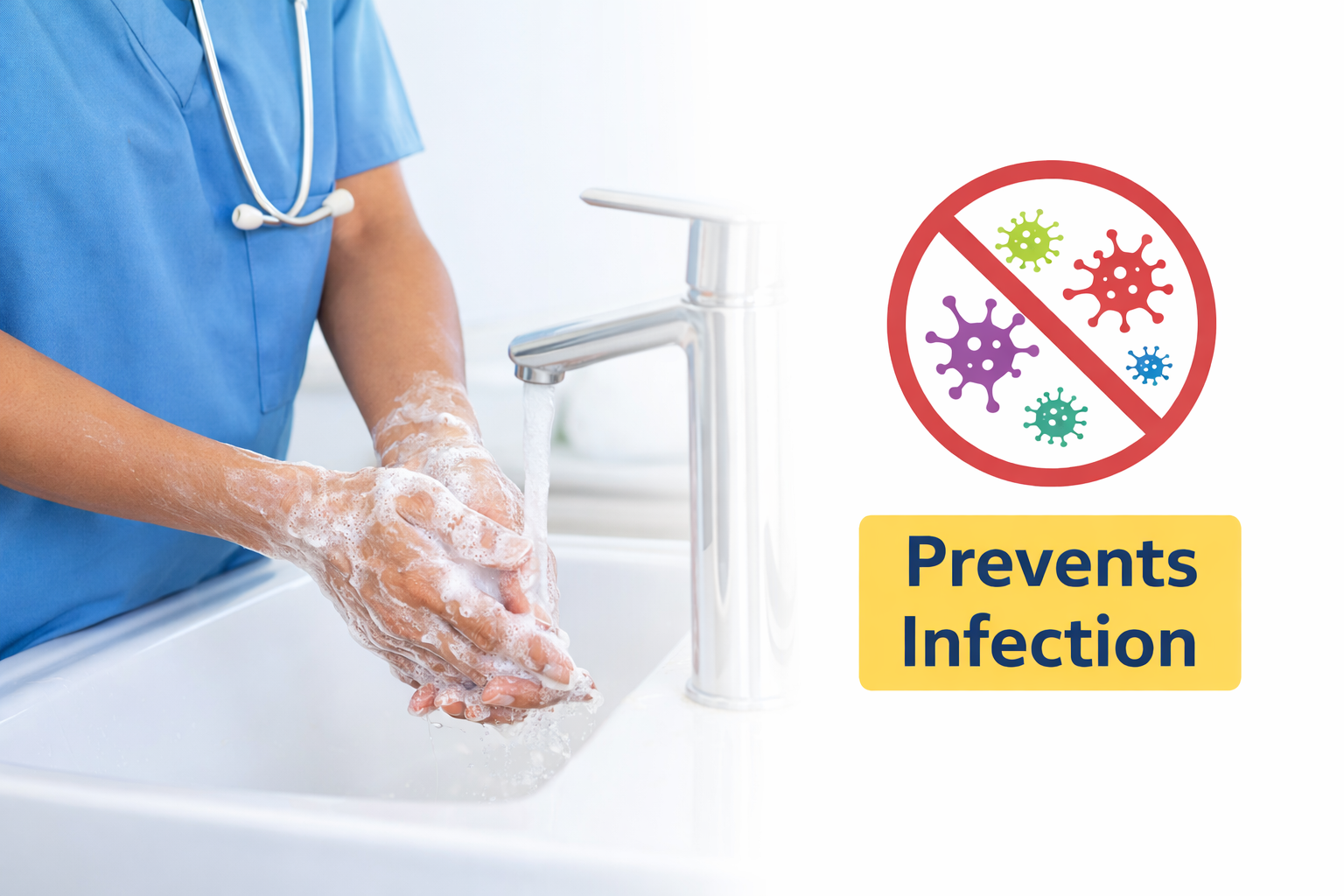
Hand Hygiene
When Should You Wash Your Hands?
When Should You Wash Your Hands? Hand hygiene should always be performed before and after any patient interaction or surgical procedure. This helps prevent contamination and ensures a safe environment for both patients and healthcare staff. So we have to do it Before Patient Contact by Washing hands before touching the patient or beginning a procedure. and also After Patient Contact: Washing hands after patient care, procedures, or contact with bodily fluids.
Before Patient Contact
After Patient Contact
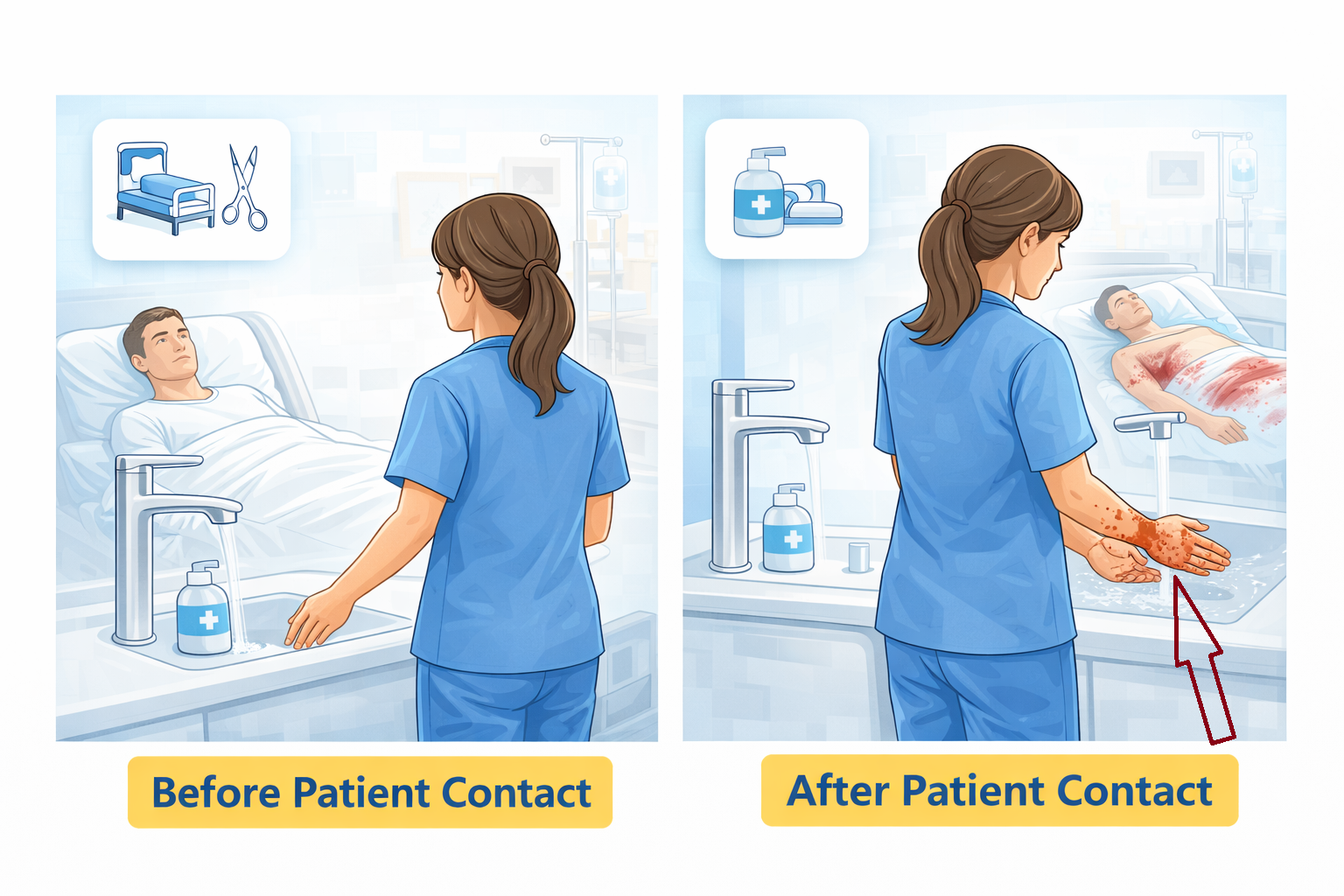
After and Before
How to Wash Your Hands Properly
How do you Wash your Hands Properly? To properly wash your hands, first wet them with clean water. Apply soap and scrub all surfaces of your hands for at least fifteen seconds. Then rinse thoroughly and dry your hands using a clean towel or air dryer. main thing here is: Scrubbing all hand surfaces for at least 15 seconds is essential for effective hand hygiene.
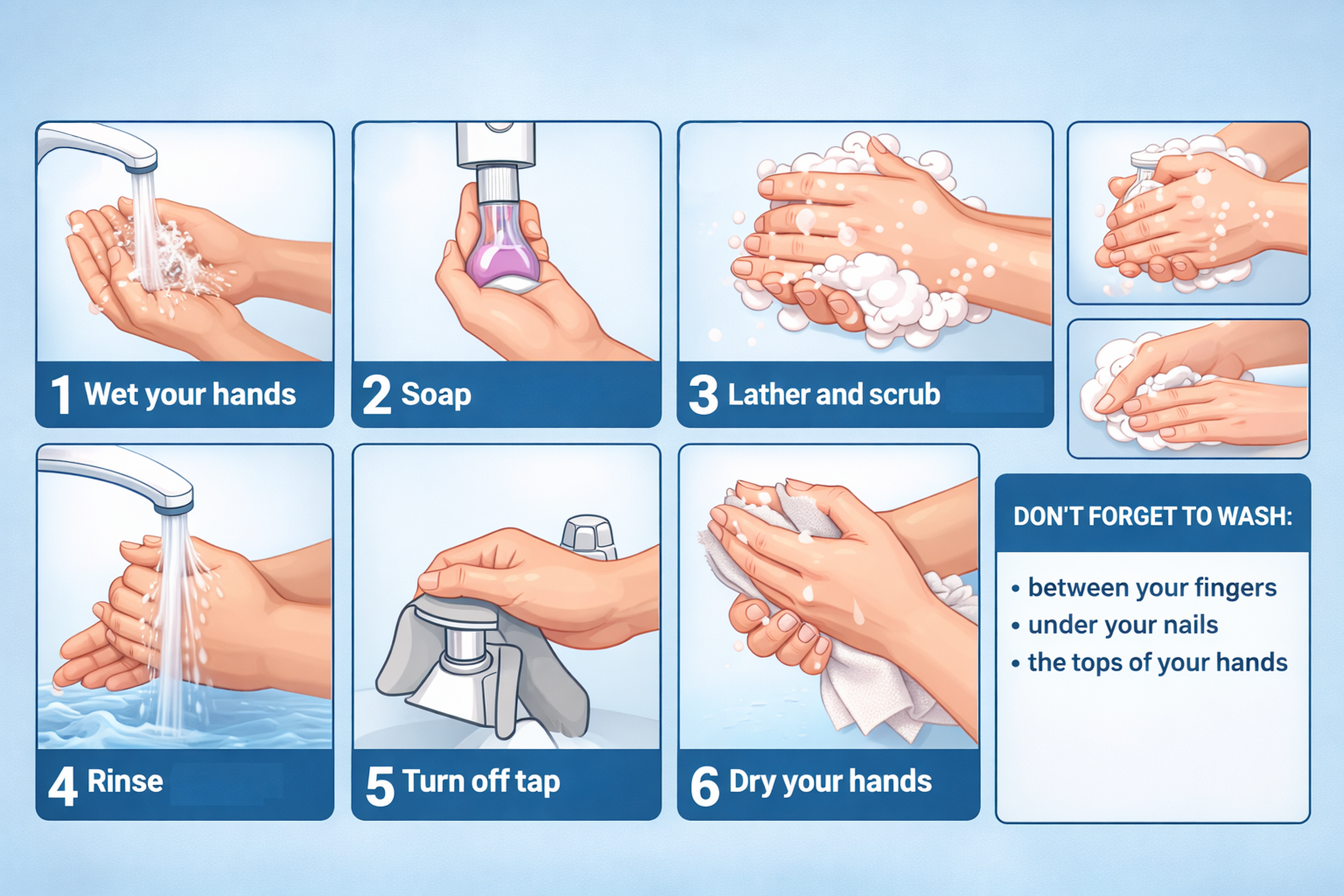
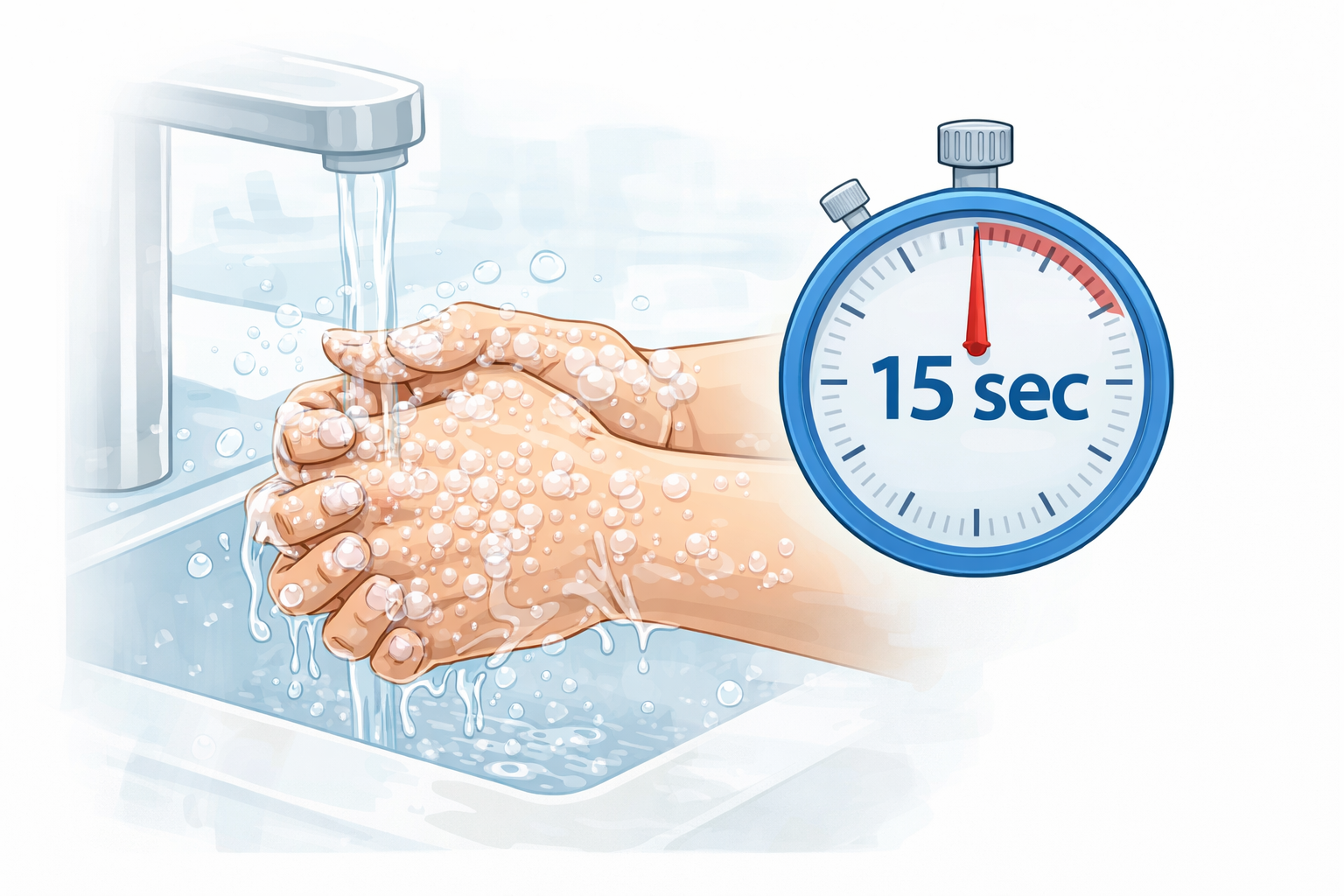
Hand wash steps
Watch and Reflect
Watch the handwashing video below. Then write what you understand about the steps of hand hygiene.
Your Reflection
Briefly describe the steps conveyed in the video.
What Happens If Hand Hygiene Is Not Done Correctly?
why it matters? What happens if hand hygiene is not done correctly? Does it matter? If hand hygiene is not performed correctly, yes it can lead to serious infections and complications. By following proper steps, you help ensure patient safety and quality care. Picture touching face with hand Incorrect Hygiene: Can increase contamination and infection risk. Correct Hygiene: Supports patient safety, clean care, and infection control. All right, now take a moment to test your understanding with a quick quiz.
Incorrect Hygiene
Contamination, infection
Correct Hygiene
Clean Care, Infection Control
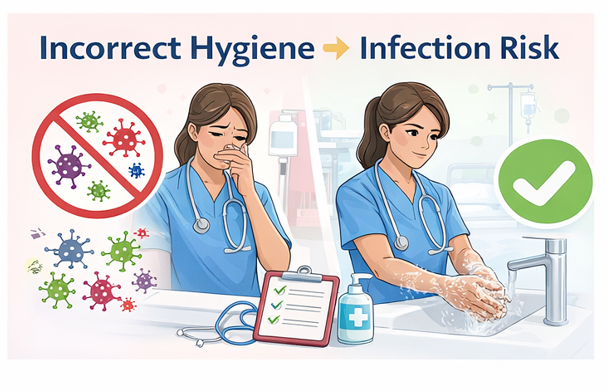
Infection risk vs safe care
Check Your Understanding
Answer all 4 questions, then click Submit Quiz.
General Feedback
Hand hygiene continues to be considered 1 of the most important methods of preventing transmission of healthcare-associated pathogens and reducing the incidence of healthcare-associated infections. The six steps of hand hygiene—wet, soap, scrub, rinse, tap off (faucet control), and dry—are critical for reducing microbial flora and preventing surgical site infections (SSIs) by removing transient microorganisms and minimizing resident skin bacteria. They help maintain a safe surgical environment by supporting the sterility of the surgical team.
The Six Hand Hygiene Steps
- Wet: Wet hands with clean, preferably running water to prepare the skin for lathering with soap.
- Soap: Apply an adequate amount of antimicrobial soap to cover all surfaces of the hands and wrists.
- Scrub: Lather and rub hands together vigorously for 20+ seconds, cleaning between fingers, the backs of hands, under fingernails, and up to the elbows during surgical scrubbing.
- Rinse: Rinse thoroughly under running water, keeping hands higher than elbows so water runs toward the elbows.
- Tap Off: Use a clean paper towel to turn off the faucet to avoid re-contaminating the hands if a foot or elbow control is not available.
- Dry: Dry thoroughly with a single-use towel or air dryer, since wet hands can pick up bacteria more easily.
Declaration of AI Use in the Development Process
This learning module was developed with support from AI tools, including ChatGPT. AI was used to assist with interface design, content clarity, and technical implementation (HTML, CSS, and JavaScript), enabling more precise communication and interaction design. My background in website development guided the overall structure, instructional approach, and design decisions, while AI served as a support tool to enhance efficiency without replacing original thinking or authorship.
Learner Feedback
Please share your feedback about this training module.
Your feedback helps improve the clarity, usability, and effectiveness of this learning experience.
Open Feedback Form